4 Signs Your Dog's Gut Needs Support
Updated: Apr 16
Some of the clearest signs your dog's gut needs support are easy to miss — not because they're dramatic, but because they blend into everyday life. A loose stool here, some grass-eating there. Most of the time, nothing to worry about. But when certain patterns show up consistently, it's usually the gut asking for a little more than the bowl is currently giving.
Dog gut health is more than digestion. The gut is where nutrients get absorbed, where a significant portion of the immune system lives, and where signals about overall wellness originate. Most adult dogs eat the same bowl every day — which means small gaps in what that bowl provides can add up quietly. Daily choices, made consistently, are usually what shift things.
Loose or inconsistent stools that come and go
The occasional soft stool is normal. What's worth paying attention to is a pattern — stools that are inconsistent a few times a week, or that change in quality with no obvious reason. The gut lining depends on fiber and beneficial compounds to stay balanced, and when those are consistently low in the diet, stool quality is usually the first place it shows up.
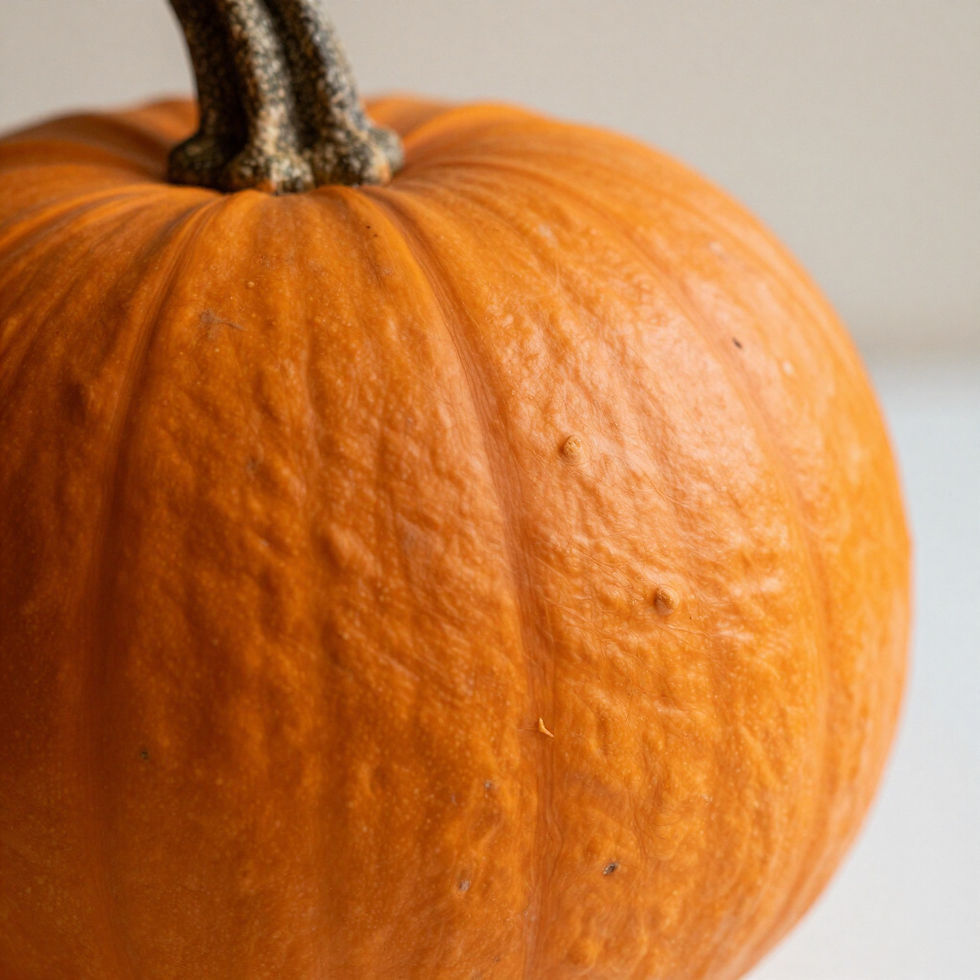
Pumpkin — both the puree and the seed — has long been used to support digestive regularity in dogs. It provides soluble fiber that helps regulate how quickly food moves through the gut, without pushing it in either direction. Many dogs settle into a more consistent pattern within a few weeks, simply because the gut finally has what it needs.
Eating grass regularly, especially on an empty stomach
Most dogs eat grass occasionally. It's completely normal and usually nothing more than curiosity or habit. But a dog who seeks it out often — particularly first thing in the morning or before meals — is sometimes responding to a mild sensation in the gut. A low-grade nausea or excess acid that grass temporarily soothes.
It's a quiet signal, not a cause for alarm. But it's worth looking at what the bowl is offering. Whole-food fiber sources and compounds that support the gut lining can reduce that underlying irritation over time. A gut that feels settled tends to need less self-soothing.
A dull coat or flaky skin despite regular grooming
The coat is often where gut absorption shows up visibly. When the gut isn't processing nutrients efficiently, fat-soluble vitamins and fatty acids are the first to get shortchanged — and the skin and coat tend to reflect it before anything else does. It's not a coat problem. It's the gut showing up on the outside.
A dog can eat a food labeled as complete and balanced and still have absorption gaps. Supporting the gut lining is what allows those nutrients to actually reach the places they're meant to go.
Low energy or mood shifts that don't have an obvious cause
A dog that seems a little flat, less interested in play, or slightly more reactive than usual — when nothing else has changed — isn't necessarily unwell. But the gut-brain connection in dogs is real, and a gut that's been running below its best for a while can quietly affect energy and mood. It's one of the harder things to connect back to the bowl, because it doesn't look like a digestion issue on the surface.
When the gut gets consistent support, these shifts often resolve on their own. Not dramatically — gradually, the way they appeared.
Doganic's gut support meal topper was built around six ingredients chosen for what they contribute to the gut, the coat, and the whole dog: organic oat flour, organic spelt flour, organic pumpkin puree, organic ground flaxseed, organic pumpkin seed powder, and organic vitamin E oil. Added on top of whatever your dog already eats, every day. Not a supplement. Not a treat. Just a daily choice that starts with the bowl.
Frequently Asked Questions
What are the most common signs of dog digestion problems?
The most common signs include loose or inconsistent stools, frequent grass-eating (especially before meals), a dull or flaky coat, and low energy or mood shifts without an obvious cause. They tend to appear gradually and are easy to miss — but when they show up consistently, the gut is usually where to look first.
Can a meal topper for dogs actually improve gut health?
Yes, when it contains ingredients that support the gut lining, digestion, and nutrient absorption. Fiber sources like pumpkin and oat flour help regulate stool consistency; flaxseed provides omega-3 fatty acids that support the gut lining; pumpkin seed powder supports digestive function. A well-formulated meal topper added daily can meaningfully complement what kibble or wet food provides on its own.
How long does it take to see results from gut support for dogs?
Most dogs show changes in stool quality within one to two weeks of consistent daily use. Other shifts — coat, energy — tend to take longer, typically four to eight weeks, because they reflect deeper changes in how the body absorbs and uses nutrients. Daily choices, made consistently over time, are what shift gut health.